
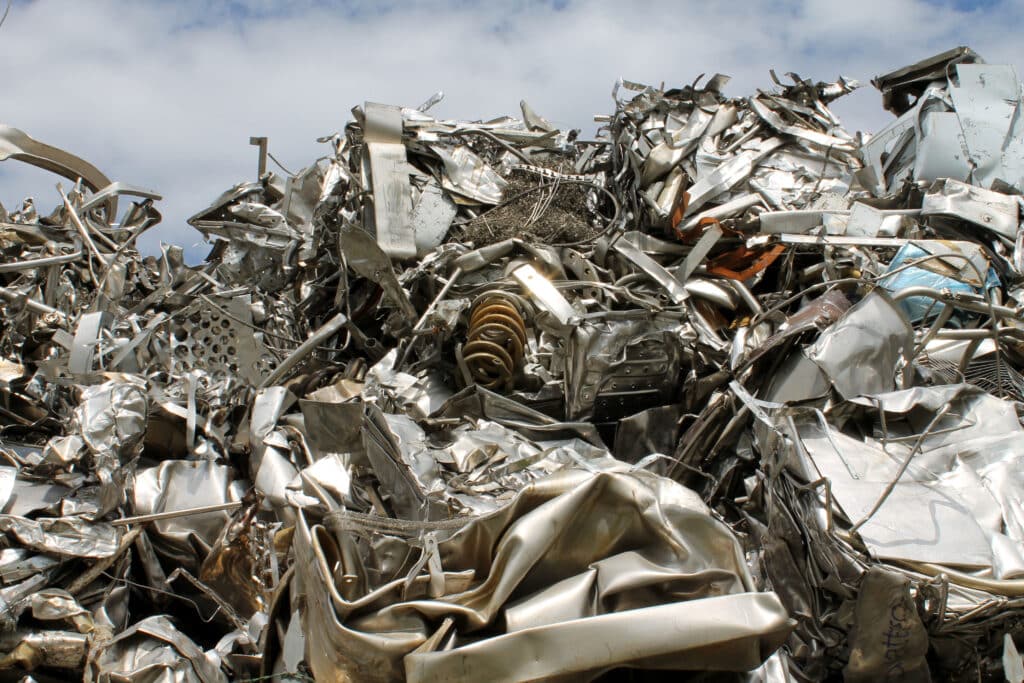
Manufacturing is entering a new era shaped by rising material costs, environmental regulations, supply chain disruptions, and growing consumer demand for sustainability. As industries search for practical ways to remain competitive while reducing waste, recycled materials are becoming increasingly important to modern production systems. Among these materials, metal stands out because it can be reused repeatedly without losing its core properties. This makes recycling an essential strategy for manufacturers seeking long-term stability and efficiency.
From automotive and aerospace production to construction and electronics, manufacturers rely heavily on steel, aluminum, copper, and other metals. However, extracting and processing raw ore requires significant energy, labor, and natural resources. Recycling existing metal reduces dependence on mining while supporting more sustainable manufacturing practices. As global demand for materials continues to grow, businesses recognize the economic and environmental value of reuse.
The industry itself is also expanding rapidly. According to IBISWorld, the U.S. scrap metal recycling market is projected to grow to approximately $15.6 billion by 2032, highlighting the increasing importance of recycled metals in the national economy. This growth reflects how manufacturers are embracing recycled materials as a reliable and cost-effective resource.
In this article, we will explore why scrap metal recycling is critical for the future of manufacturing, how it supports sustainability, strengthens supply chains, lowers production costs, and helps industries build a more resilient future.
Reducing Dependence on Raw Material Extraction
One of the biggest advantages of recycling metal is the reduced need for mining and raw material extraction. Mining operations consume enormous amounts of energy and can significantly impact ecosystems, water supplies, and air quality. In contrast, recycled metals can be processed and reused with far fewer environmental consequences.
Manufacturers that incorporate recycled materials into production reduce pressure on finite natural resources. This is especially important as global industrial demand continues to rise. Metals such as aluminum, steel, and copper are essential to infrastructure, transportation, and technology, but natural reserves are limited. By supporting scrap metal recycling, manufacturers can help extend the lifespan of these resources while ensuring future availability.
Recycling also minimizes the environmental damage associated with extraction and transportation. Less mining means reduced greenhouse gas emissions, lower fuel consumption, and decreased habitat disruption. As governments continue introducing stricter environmental regulations, manufacturers that prioritize recycled materials may also find it easier to comply with sustainability standards.
The ability to reuse metal repeatedly without sacrificing quality makes recycling one of the most efficient resource management solutions available to modern industry.
Lowering Energy Consumption Across Manufacturing
Energy efficiency is becoming a major priority for manufacturers attempting to control operating expenses and reduce environmental impact. Producing metals from recycled materials requires substantially less energy than manufacturing them from raw ore.
For example, recycled aluminum uses far less energy during processing compared to newly mined aluminum. Similar energy savings exist for steel, copper, and other widely used metals. These reductions translate into lower manufacturing costs and fewer carbon emissions throughout the production cycle.
As energy prices fluctuate, manufacturers are increasingly seeking ways to stabilize expenses. Using recycled materials helps companies improve predictability while reducing vulnerability to energy market volatility. In many cases, energy savings from recycling contribute directly to improved profit margins.
Additionally, businesses are under growing pressure from investors, consumers, and regulatory agencies to demonstrate environmental responsibility. Lower energy consumption helps manufacturers achieve sustainability targets while strengthening their public image. Companies that adopt environmentally responsible practices are often better positioned to attract eco-conscious customers and business partners.
Because of these advantages, scrap metal recycling is no longer viewed as simply a waste management strategy. It has become an important operational tool that supports both environmental and financial goals.
Strengthening Supply Chain Stability
Recent global disruptions exposed serious weaknesses in manufacturing supply chains. Delays in raw material shipments, shortages of industrial metals, and rising transportation costs created major challenges across multiple industries. As a result, manufacturers began looking for more dependable and localized sources of materials.
Recycled metal offers a practical solution to these challenges. Domestic recycling operations provide manufacturers with a more stable supply of essential materials, reducing reliance on imported raw resources. This can help businesses maintain production schedules even during periods of international instability.
Localized recycling systems also shorten transportation distances, improving efficiency and lowering shipping expenses. Manufacturers that source recycled metals from nearby suppliers may benefit from faster turnaround times and greater inventory flexibility.
The growing emphasis on supply chain resilience is one reason scrap metal recycling continues gaining attention across the manufacturing sector. Recycled materials help companies reduce uncertainty while creating a more adaptable production process.
In industries where delays can lead to major financial losses, access to consistent material supplies is essential. Recycling contributes to that consistency while supporting regional economic development and job creation.
Supporting Circular Manufacturing Models
Modern manufacturing is increasingly shifting toward circular economic models. Unlike traditional linear systems that follow a “take, make, dispose” structure, circular manufacturing focuses on reusing materials for as long as possible.
Metal recycling fits naturally into this approach because metals can be continuously reprocessed and repurposed. Instead of ending up in landfills, discarded materials from demolished buildings, vehicles, appliances, and industrial equipment can reenter production cycles as valuable resources.
This shift benefits manufacturers in several ways. Circular systems reduce waste disposal costs, improve resource efficiency, and create opportunities for long-term sustainability planning. Companies adopting circular strategies are also more likely to meet evolving environmental standards and consumer expectations.
Consumers today are paying closer attention to how products are sourced and manufactured. Businesses that integrate recycled materials into their operations often gain a competitive advantage by demonstrating environmental responsibility. Investors are similarly prioritizing companies with sustainable practices and long-term resource management strategies.
As industries continue moving toward circular production systems, scrap metal recycling will remain a foundational component of future manufacturing operations.
Reducing Manufacturing Costs Over Time
Material expenses represent a significant portion of manufacturing costs. Fluctuations in global commodity markets can dramatically impact profitability, especially for industries that depend heavily on metal inputs.
Recycled metals often provide a more affordable alternative to newly mined materials. Although pricing can vary based on market conditions, recycled resources generally require less processing and transportation, helping manufacturers control overall production expenses.
In addition to direct material savings, recycling can reduce waste management costs. Manufacturers that recover and recycle their own scrap materials may lower disposal fees while generating additional revenue streams. Some companies even establish closed-loop systems where excess metal from production is collected, processed, and reused internally.
Long-term cost stability is another important advantage. Relying exclusively on virgin materials exposes manufacturers to price spikes caused by geopolitical events, mining disruptions, and resource shortages. Incorporating recycled materials helps diversify sourcing strategies and reduce financial risk.
As competition intensifies across global markets, businesses are constantly seeking ways to improve operational efficiency. Investing in scrap metal recycling initiatives can support stronger financial performance while promoting sustainability at the same time.
Businesses that embrace recycling today can help build a stronger, more efficient, and more sustainable manufacturing industry for future generations. Now is the time for manufacturers, suppliers, and industry leaders to invest in smarter recycling practices and make sustainability a core part of their long-term strategy. Reach out to our team at Sgt. Scrap to learn more!