
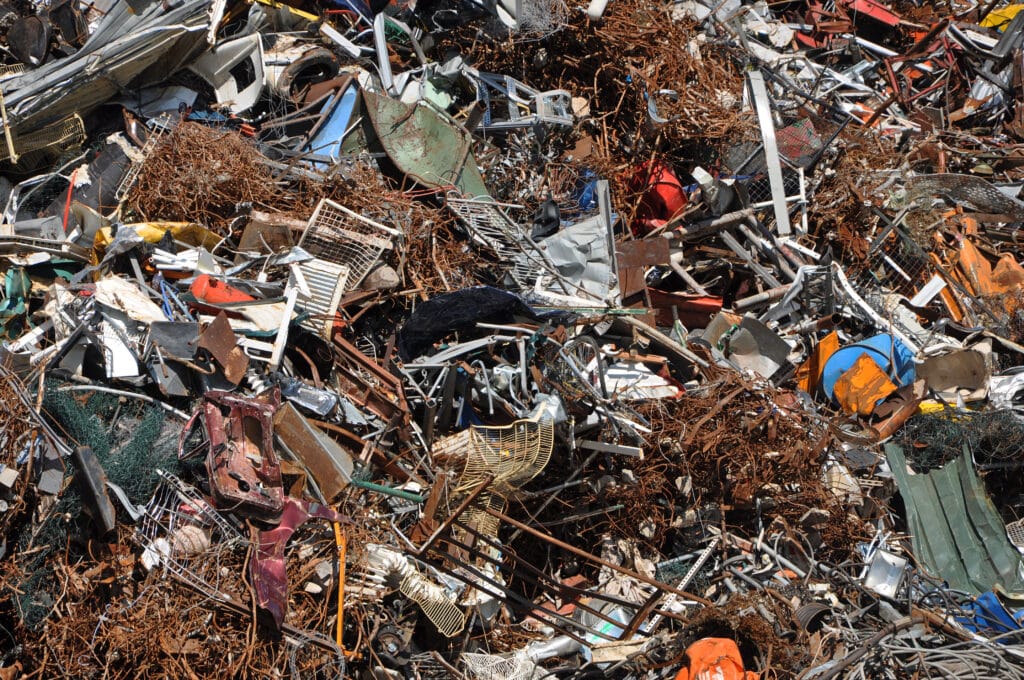
Old metal often accumulates quietly over time, turning garages, sheds, and outdoor areas into storage spaces for items that are no longer useful. Broken appliances, outdated tools, old fencing, scrap building materials, and worn machinery are some of the most common examples. Many property owners are surprised by how much metal they actually have once they begin organizing these areas.
This buildup not only reduces usable space but can also create safety hazards if sharp edges, rust, or heavy objects are left unmanaged. Identifying these materials early is the first step toward responsible disposal and recycling. Once sorted, it becomes easier to determine what can be removed and how it should be handled. Working with professionals in scrap metal recycling helps ensure that these materials are properly collected and directed into the recycling stream rather than being left to deteriorate on-site.
Understanding Why People Choose to Sell Scrap Metal
Many people decide to sell scrap metal because it offers a practical way to convert unused materials into extra income while also freeing up space on their property. Items such as old appliances, broken equipment, and leftover construction materials often serve no purpose once they are no longer functional, making them ideal candidates for removal and recycling.
In addition to financial benefits, environmental responsibility plays a major role in this decision. Recycling metal helps reduce landfill waste and supports the reuse of valuable raw materials, which decreases the need for new resource extraction. By participating in scrap metal recycling, individuals contribute to both personal convenience and broader environmental sustainability. It is a simple but effective way to manage clutter while making a positive impact.
Evaluating Which Metals Can Be Recycled
Different types of metals have different recycling values and processing requirements. Commonly accepted materials include steel, aluminum, copper, and brass. Each of these metals can be melted down and reused in manufacturing, making them highly valuable in recycling systems.
However, not all metal items are ready for recycling in their original form. Some may contain plastic, rubber, or hazardous components that must be removed first. Proper sorting is essential to ensure efficiency and avoid contamination during processing. Professionals in scrap metal recycling can help identify which materials are suitable and how to prepare them correctly, ensuring that nothing recyclable is wasted.
Understanding Safety Precautions During Removal
Removing scrap metal from a property can involve risks, especially when dealing with sharp edges, rusted surfaces, or heavy objects. Without proper precautions, injuries such as cuts, strains, or falls can occur. Safety should always be the top priority during handling and transport.
Wearing protective gloves, safety glasses, and durable footwear is essential when moving metal items. Using the correct tools for lifting or cutting also reduces the likelihood of accidents. Planning the removal process helps ensure smoother and safer handling. Working with scrap metal recycling professionals eliminates many of these risks, as they are trained to manage heavy and potentially hazardous materials safely and efficiently.
Preparing Metal Items for Proper Recycling
Before metal can be recycled, it often needs to be prepared to meet processing requirements. This may include separating different types of metals, removing non-metal attachments, and draining any fluids from appliances or machinery.
Proper preparation improves recycling efficiency and ensures materials are accepted without delays. Clean and sorted metals are easier to process and more likely to be reused effectively in manufacturing. Guidance from scrap metal recycling services helps property owners understand these requirements and ensures materials are properly prepared before collection.
Exploring the Environmental Benefits of Recycling Metal
Recycling metal has a significant positive impact on the environment. By reusing existing materials, the need for mining and raw material extraction is reduced, which helps conserve natural resources and lowers energy consumption.
According to the Institute of Scrap Recycling Industries, recycling metals such as steel plays a major role in reducing greenhouse gas emissions, with annual reductions reaching hundreds of millions of tons globally. In simpler terms, this means that recycling metal significantly cuts down the pollution created by producing new materials. Participating in scrap metal recycling supports these environmental benefits while promoting a more sustainable and resource-efficient economy.
Understanding the Value of Reclaimed Materials
Many types of scrap metal retain value even after they are no longer useful in their original form. Metals like copper, aluminum, and steel can be processed and reused in a wide range of industries, including construction and manufacturing. The value of scrap metal depends on factors such as type, condition, and market demand. Proper sorting and preparation can help maximize the return on these materials. By using scrap metal recycling services, property owners can ensure their materials are handled efficiently and directed toward productive reuse.
Coordinating Removal for Large or Bulky Items
Large metal items such as appliances, machinery, or structural components can be difficult and unsafe to remove without proper equipment. These items often require specialized tools and careful handling to prevent injury or property damage. Coordinating removal with experienced professionals ensures that heavy materials are safely transported and processed. This makes the entire process more efficient and reduces the risk of accidents. Choosing scrap metal recycling support for large items simplifies the process and ensures proper handling from start to finish.
Avoiding Common Mistakes During Disposal
Improper disposal of scrap metal can lead to missed recycling opportunities and unnecessary waste. Common mistakes include mixing different materials, failing to remove hazardous components, or discarding recyclable items in regular trash systems. These errors can reduce efficiency and prevent valuable materials from being reused. Proper sorting and preparation are essential for successful recycling outcomes. Working with scrap metal recycling professionals helps avoid these issues by ensuring materials are handled correctly and directed into the proper recycling channels.
Supporting Sustainability Through Responsible Practices
Recycling metal is an important part of creating a more sustainable environment. It reduces the need for raw material extraction, lowers energy usage, and helps minimize landfill waste. Responsible recycling practices include proper sorting, safe handling, and ensuring materials are reused whenever possible. These actions contribute to a more efficient and environmentally conscious system. Engaging in scrap metal recycling supports these goals by ensuring that valuable materials are not wasted and are instead reintroduced into production cycles.
Maintaining a Clean and Organized Property
Removing unused metal from a property helps improve both safety and organization. Cluttered areas filled with scrap materials can create hazards and limit usable space. Clearing out old metal allows homeowners and property managers to create cleaner, more functional environments. It also improves overall appearance and reduces the risk of injury from sharp or heavy objects. Using scrap metal recycling services ensures that removal is handled efficiently while contributing to a cleaner and more organized space.
Safely removing and recycling old metal is an effective way to improve property organization while supporting environmental sustainability. From identifying materials and understanding safety precautions to preparing items and ensuring proper recycling, each step plays an important role in the process. Taking a responsible approach helps reduce waste, conserve resources, and create cleaner, safer environments. It also ensures that valuable materials are reused instead of being discarded.
If you have unwanted metal taking up space, Sgt. Scrap is ready to help. Their team provides safe, efficient removal and responsible recycling solutions designed to handle everything from small household items to large industrial materials. Contact Sgt. Scrap today to learn more about professional scrap metal recycling services that help you clear clutter, improve safety, and support a more sustainable future.